
OSCAR ROMERO BALLPARK AT CHERRY FIELD TIMELINE
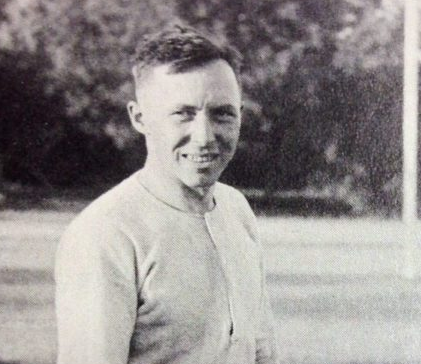
1911-14: Pop McKale coaches Tucson High at Elysian Grove Fields then at Tucson High, winning state titles in 1912 and 1913.
1914: McKale hired to be the University of Arizona Athletics Director.
1921: Arizona builds the original “Cherry Street Field,” located on the grounds where the current football field and old baseball field are and were located.
1930: Andy Tolson era begins with seven state championships.
1942: Hank Slagle era begins with 10 state championships.
1947: TUSD builds a facility where Cherry Field “Cherry Practice Field” is now located. Plans for a 20,000 seat football stadium fall through not once but twice. Then, 5,000 and then a 2,500 seat baseball stadium also fall through.
1948: The City of Tucson wants to take Cherry Field for a storm basin but a change in plans saves “Cherry Field.”
1948: Semipro and the University of Arizona also use Cherry Field at scrimmage with construction of the stadiums at Arizona beginning.
1950: Slagel moves actual Badger baseball games to Cherry Field.
1951: Little League begins to use Cherry Field.
1955: All hopes of a 20,000 seat football stadium and 2,500 baseball stadium at Cherry Field ends, oddly due to anti sports pressure from the powerful VFW under the direction of William J. Bray, Jr. He feared more professional sports would come in. It was a huge blow.
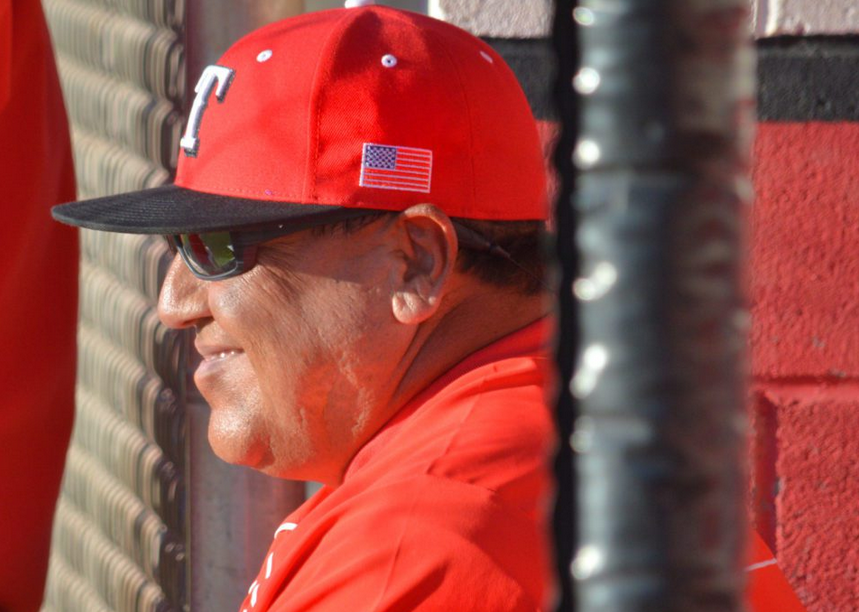
1974: Oscar Reyes Romero begins his high school career at Tucson.
1983: Romero begins to coach at Tucson.
1985: The City removes almost six acres for Kino Blvd. Cherry Alternative High School is demolished by the City.
1987: Plans to knock down the homes to the west and south of the campus fail and the teams returned to Cherry Field.
2008: The facility is renamed to the “Cherry Field Detention Basin” after the City creates a storm basin there some 60 years after first proposing it.
2010: Chris Moon passes away.
2014: Romero collects his program-leading 400th win.
2018: Romero retires with 488 wins, 32% of the 1,516 wins by the Badgers.
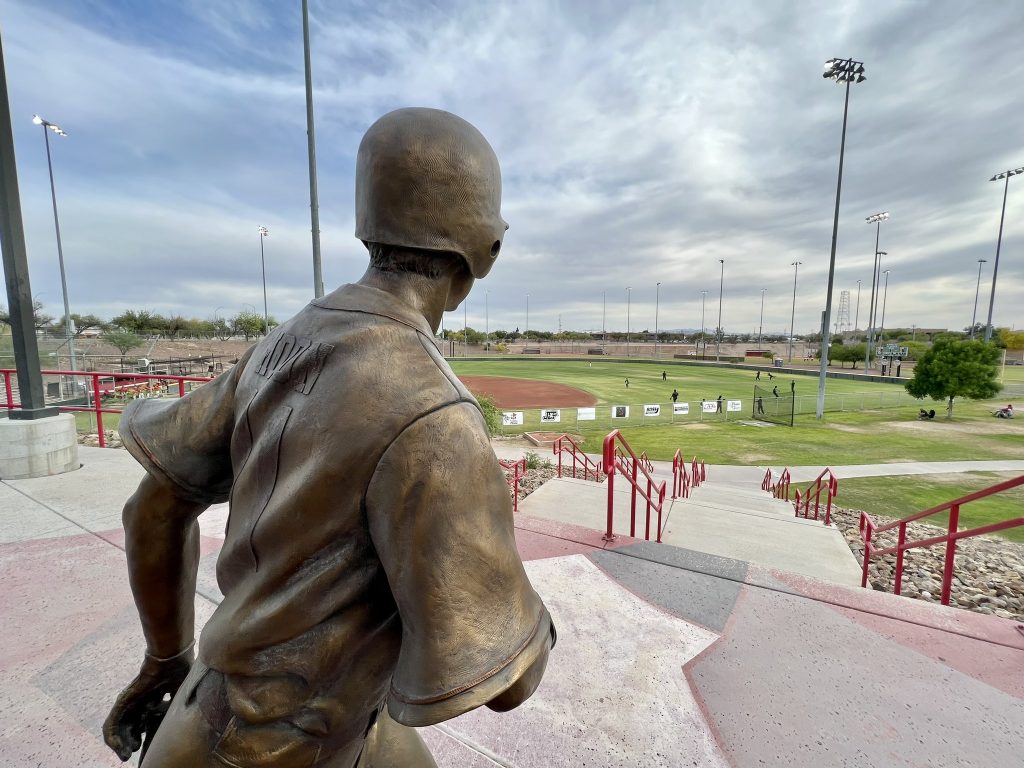
2026: “Cherry Field Detention Basin” is renamed “Oscar Romero Ballpark at Cherry Field.”
TUCSON HIGH STATE CHAMPIONSHIPS
1912: 5A (James F. McKale)
1913: 5A (James F. McKale)
1918: 5A (Arthur Smith)
1920: 5A (M.N. Porter)
1922: 5A (Aaron McCreary)
1924: 5A (Richard Meyer)
1930: 5A (Andy Tolson)
1932: 5A (Andy Tolson)
1935: 5A (Andy Tolson)
1937: 5A (Andy Tolson)
1939: 5A (Andy Tolson)
1940: 5A (Andy Tolson)
1941: 5A (Andy Tolson)
1942: 5A (Hank Slagle)
1943: 5A (Hank Slagle)
1944: 5A (Hank Slagle)
1945: 5A (Hank Slagle)
1946: 5A (Hank Slagle)
1948: 5A (Hank Slagle)
1950: 5A (Hank Slagle)
1951: 5A (Hank Slagle)
1952: 5A (Hank Slagle)
1954: 5A (Hank Slagle)
1955: 5A (Lee Carey)
1956: 5A (Lee Carey)
1959: 5A (Ray Adkins)
1972: 5A (Ray Adkins)
1987: 5A (Tom Lundy)
1988: 5A (Tom Lundy)
TUCSON HIGH STATE RUNNER-UP
1916: 5A (John Schlandeman)
1926: 5A (Sly Paulus)
1931: 5A (Andy Tolson)
1934: 5A (Andy Tolson)
1936: 5A (Andy Tolson)
1947: 5A (Hank Slagle)
1949: 5A (Hank Slagle)
1958: 5A (Lee Carey)
1960: 5A (Ray Adkins)
1970: 5A (Ray Adkins)
2002: 5A (Oscar Romero)
2015: 5A (Oscar Romero)
2016: 5A (Oscar Romero)












Recommended for you